Health
Basic Healthcare Provision Fund: Ogun enrols over 50,000 pregnant women,children under five years

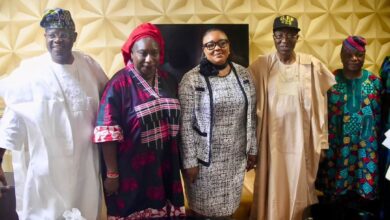
Dr. Tomi Coker, Ogun State Commissioner for Health, administering immunization on a child, at the flag off of the Routine Immunization Intensification Programme in Ijebu East,on Monday.
Damilola Ajibola
The Ogun State Government said over 50,000 pregnant women and children under five years have been enrolled in the Basic HealthCare Provision Fund.
The Commissioner for Health, Dr Tomi Coker, disclosed this in her keynote address at the flag-off of the Routine Immunization Intensification Programme (RIIP), in Ijebu East Local Government Area of the State.
She said that the state government has provided daily access to life-saving vaccines in all Primary Health Centres across the state to prevent and eradicate vaccine-preventable diseases.
Coker added that the programme was expected to boost routine child immunization and check the spread of diseases, recognising the critical role of routine immunisation in safeguarding health and well-being of a nation.
The Commissioner appreciated the support of development partners especially the Nigeria Solidarity Support Fund (NSSF), for the donation of N150million for 6months of funding support given to the state on the Optimized Outreach Strategy Campaign, urging the LGA to maximize the funding to improve on their routine immunization performance across the wards by ensuring eligible children in communities get vaccinated.
In her remark, the NSSF Chief Executive Officer, Dr. Fejiro Chinye-Nwoko, said that it would continue to support the government in adequate healthcare of children to scale up interventions on Routine Child Immunization.
Earlier in her welcome address, the Chairman, Ijebu East Local Government, Hon. Adetutu Oyesanya, appreciated the State Government, NSSF and other development partners for the initiative, and assured that they would take advantage of the programme by making sure the vaccination campaign gets to the rural communities and get the eligible children vaccinated.
In their goodwill messages, representatives of WHO, UNICEF and other development partners, said the initiative would ensure access to vaccines is improved, particularly in the hard-to-reach communities and places where immunization coverage is low.